
In my latest novel, Friends for A Season, Zak, a college freshman, faces a health crisis; he’s slowly going deaf. Zak’s first reaction is denial. After all, he’s a teenager, and no one young expects to go deaf. Young people think they’re invincible (and that’s a quote from every parent who has ever raised a teenager). Zak believes deafness is what happens to older people. But this bit of the novel is based on my experience when I was young. I suddenly lost my hearing in graduate school due to a tumor, and it took me far too long to address it. Mostly because we males are awful at advocating for ourselves. Now—don’t get me wrong. We’re wonderful at complaining. But as for advocating for ourselves? Not so much.
The Male Curse
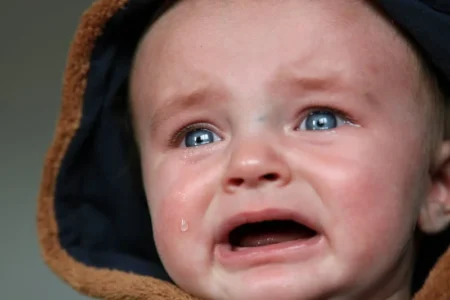
When you grow up male, you often hear, “just walk it off.” It applies to sports injuries like a twisted ankle, pulled muscle, or banged-up knee. Even after a hard tackle, “just walk it off” is how proud men handle injuries. “Hey, man. Just walk it off,” your coach or father will shout as you hobble away, trying not to cry because tears can never be the right reaction. Moaning perhaps. Groaning certainly. But tears? Never! And just like that, Zak too fails to grasp the seriousness of his hearing loss until it’s nearly too late.
Who Makes Up These Rules?
So little boys grow up suppressing their emotions. They pretend to be rough-and-tumble types. After all, real men are strong. Real men are uncomplaining. Real men handle it. Whatever it is. You rarely hear that real men are kind, considerate, and tender. Nope. That’s the realm of women. That’s not what real men are supposed to be about or what little boys are encouraged to learn. So if you have one of those gentle, kind men in your life, count your blessings. That wasn’t part of the original instruction manual. That man has picked up those qualities on his own. You’ve got a keeper!
Helena to the Rescue
The beauty of an intergenerational story like Friends for A Season is that it allows a writer to showcase more than one character. Helena, a grandmotherly type, worries that her lonely life no longer has meaning. When she steps up to help Zak, she proves that regardless of age, she still has immense value. In turn, once he is well, Zak can help Helena when she faces her own health crisis. I love the idea of two generations finding their way to a loving friendship. When I think about my own life, there have always been others who’ve nudged me along my path. Was the relationship reciprocal? Is helping someone valuable to the one providing the help? I think so. For Helena, Zak is her second chance at mothering, a concern that haunts her throughout the novel. And for Zak, Helena is a found family, revealing to Zak that sometimes the best family is the one we choose.
And Now for Something A Little Extra!
This month, I’ll be participating in the Tell All Podcast and speaking to a few Book Clubs. The Colorado Independent Publishers Association has also announced that Friends for A Season is a Finalist in their annual awards contest. So, if you get a chance, please check out the novel. I think you’ll love it. And until we meet next, have a terrific rest of the month!
Recent Comments